
IHOP Allergen Menu 2026
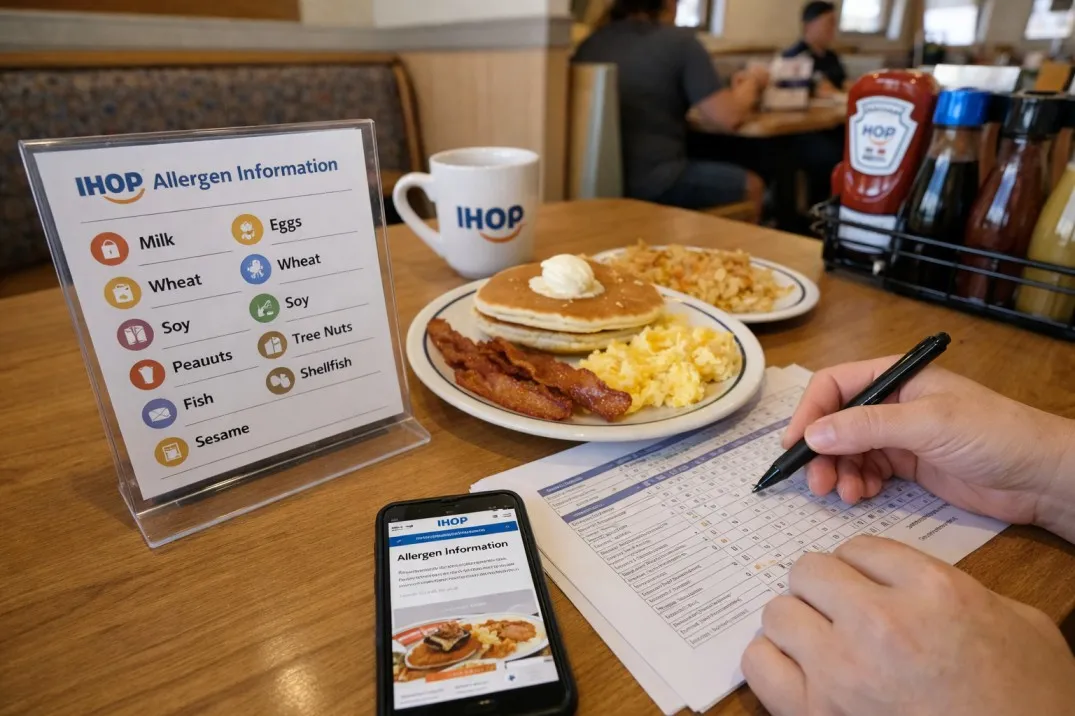
Food allergies make dining out stressful, especially when you’re not sure what’s safe to eat. That’s where the IHOP allergen menu becomes important. IHOP provides detailed allergen information to help guests identify menu items that may contain common allergens like dairy, eggs, wheat, soy, nuts, and more.
In this guide, we’ll explain how the IHOP allergen menu works, what allergens are listed, how accurate the information is, and what guests with food allergies should know before ordering. The goal is to help you make informed, safer dining choices at IHOP with confidence.
What Is the IHOP Allergen Menu?
The IHOP allergen menu lists which items may contain common allergens like milk, eggs, wheat, soy, nuts, fish, shellfish, and sesame. It helps guests with allergies or sensitivities make informed choices. The menu is based on supplier ingredient info but cannot guarantee items are completely allergen-free due to shared kitchen preparation.
Common Allergens Listed on the IHOP Menu
The IHOP allergen menu highlights the most common food allergens found across its menu to help guests identify potential risks. These allergens are identified based on ingredient information, not on preparation methods, which means cross-contact is still possible in shared kitchens at IHOP.
Below are the main allergens IHOP tracks and displays in its allergen information:
- Milk (Dairy): Common in pancakes, waffles, omelettes, cheese, butter, milkshakes, and sauces
- Eggs: Found in pancakes, omelettes, scrambled eggs, breakfast combos, and baked items
- Wheat (Gluten): Present in pancakes, waffles, bread, buns, tortillas, and some sauces
- Soy: Used in certain dressings, sauces, meat substitutes, and processed ingredients
- Peanuts: Found in limited desserts, toppings, and some specialty items
- Tree Nuts: May appear in syrups, desserts, and seasonal menu items
- Fish: Present in select seafood dishes
- Shellfish: Found in seafood-based menu items
- Sesame: May be included in buns, breads, or specialty toppings
Understanding these allergens helps guests narrow down safer choices, but it’s still important to review item-specific allergen details and speak with restaurant staff before ordering.
IHOP Allergen Menu by Category
Understanding allergens by menu category makes it easier to choose items that fit your dietary needs. Below is a category-wise breakdown of how allergens commonly appear across the IHOP menu. Ingredient details can vary, so always review item-specific allergen information before ordering.
Breakfast Items & Allergens
IHOP Breakfast items are the most allergen-heavy part of the menu due to frequent use of eggs, dairy, and wheat.
- Pancakes & Waffles: Commonly contain eggs, milk, and wheat
- Omelettes & Scrambled Eggs: Typically include eggs and dairy, with added allergens from cheese or fillings
- Breakfast Combos: May contain multiple allergens depending on sides and toppings
Guests with allergies should pay close attention to batters, syrups, and butter used with breakfast items.
Lunch & Dinner Items & Allergens
Lunch and dinner options often introduce additional allergens through breads, sauces, and marinades.
- Burgers & Sandwiches: Wheat in buns, dairy in cheese, soy in sauces
- Steaks & Grilled Items: Fewer ingredient allergens, but marinades and seasoning may contain soy or dairy
- Seafood Dishes: Fish or shellfish allergens may be present
Customization can reduce allergen exposure, but preparation methods still matter.
Sides & Appetizers Allergen Overview
Sides can appear simple but may still carry allergen risks.
- Hash Browns & Fries: Often free from ingredient allergens, but cooked in shared fryers
- Bacon, Sausage, Ham: May contain soy or preservatives depending on sourcing
- Fresh Fruit: One of the lowest allergen-risk options
Beverages & Desserts Allergen Info
Drinks and desserts frequently contain hidden allergens.
- Milkshakes & Hot Chocolate: Contain milk and sometimes soy
- Syrups & Toppings: May include dairy, nuts, or soy
- Specialty Drinks: Flavored ingredients can introduce allergens
Always confirm ingredients for beverages, especially seasonal or limited-time items.
Gluten & Wheat Allergens at IHOP
Gluten, a protein in wheat and some grains, is a common allergen at IHOP. Many items like pancakes, waffles, bread, and tortillas contain wheat and are marked in the allergen menu. IHOP offers gluten-friendly options, but shared kitchens mean cross-contact is possible, so these items may not be fully gluten-free. Guests with celiac disease should exercise caution. To explore all gluten-friendly options at IHOP, see our detailed IHOP Gluten Free Menu guide.
How to Order From IHOP With Food Allergies (Smart Tips)
When dining at IHOP with food allergies, a little extra preparation and communication can go a long way. While IHOP provides allergen information, following these tips can help reduce the risk of accidental exposure.
Smart Ordering Tips:
- Alert your server: Always inform your server about your specific food allergy before ordering, even if you’ve checked the allergen menu.
- Ask questions: Inquire about how the food is prepared and whether shared equipment is used for your meal. This includes cooking methods like grilling, frying, or toasting.
- Customize your meal: You can modify many items to reduce allergen exposure. For example, ask for your pancakes without butter or choose plain eggs instead of those made with milk.
- Avoid high-risk items: Skip foods that are likely to have hidden allergens, like breaded items, sauces, or pre-made dishes that could have cross-contact.
- Request fresh utensils: Ask for fresh utensils, plates, and glasses to avoid cross-contact from previous meals.
- Call ahead: If possible, call the IHOP location in advance to discuss your specific allergies and ask about their procedures for food preparation.
By taking these steps, you can help ensure a safer dining experience at IHOP. While cross-contact cannot be entirely avoided, smart ordering can significantly reduce the risk.